Every molarity calculation needs one number you cannot read off a balance: the molar mass. It is the conversion factor between the grams you weigh and the moles the formula needs. Fortunately it is straightforward to calculate from any chemical formula, and our molar mass calculator will do it for you in a keystroke.
What molar mass is
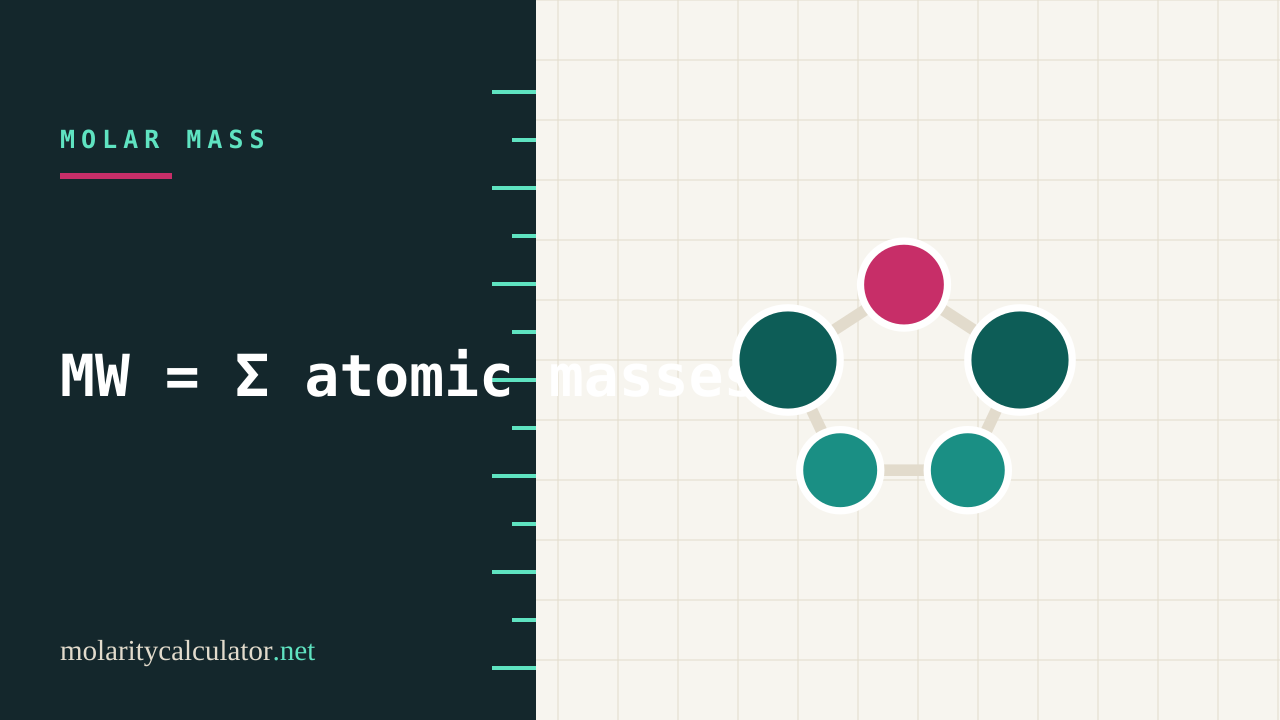
Molar mass is the mass of one mole of a substance, in grams per mole (g/mol). For an element it equals the atomic mass from the periodic table. For a compound it is the sum of the atomic masses of every atom in the formula. Molecular weight is the same quantity for molecular compounds; the terms are used interchangeably in practice.
Calculating a simple formula
Take water, H2O. Two hydrogens at 1.008 plus one oxygen at 15.999 gives 2(1.008) + 15.999 = 18.015 g/mol. Sodium chloride, NaCl, is 22.990 + 35.45 = 58.44 g/mol. The method is always the same: count each element, multiply by its atomic mass, add the results.
Formulas with parentheses
A subscript outside a bracket multiplies everything inside it. Calcium hydroxide, Ca(OH)2, has one calcium plus two oxygen-hydrogen units: 40.078 + 2(15.999 + 1.008) = 74.09 g/mol. Aluminium sulfate, Al2(SO4)3, multiplies the whole sulfate group by three. Work from the innermost bracket outward.
Our molar mass calculator parses brackets and nested groups automatically — type Ca(OH)2 or Al2(SO4)3 exactly as written and it returns the answer.
Hydrates and the water of crystallisation
Many salts crystallise with water molecules locked into the structure, shown after a centre dot: copper(II) sulfate pentahydrate is CuSO4·5H2O. That bound water counts toward the molar mass. CuSO4 alone is 159.61 g/mol, but the pentahydrate is 159.61 + 5(18.015) = 249.69 g/mol. Weighing the hydrate while using the anhydrous mass is a classic and costly error.
Atomic masses and significant figures
Standard atomic masses are weighted averages of natural isotopes, which is why chlorine is 35.45 rather than a whole number. Carry the full precision through your calculation and round only at the end. For most lab work, molar masses to two decimal places are more than adequate.
Why it matters for molarity
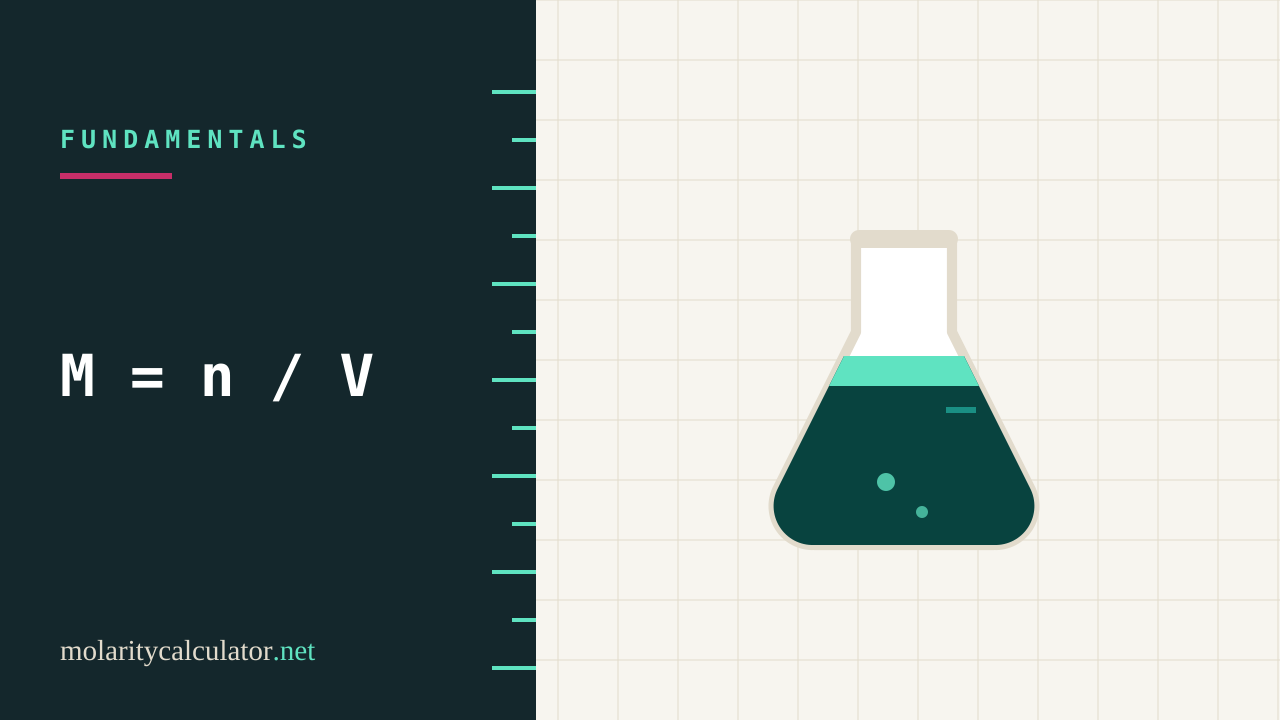
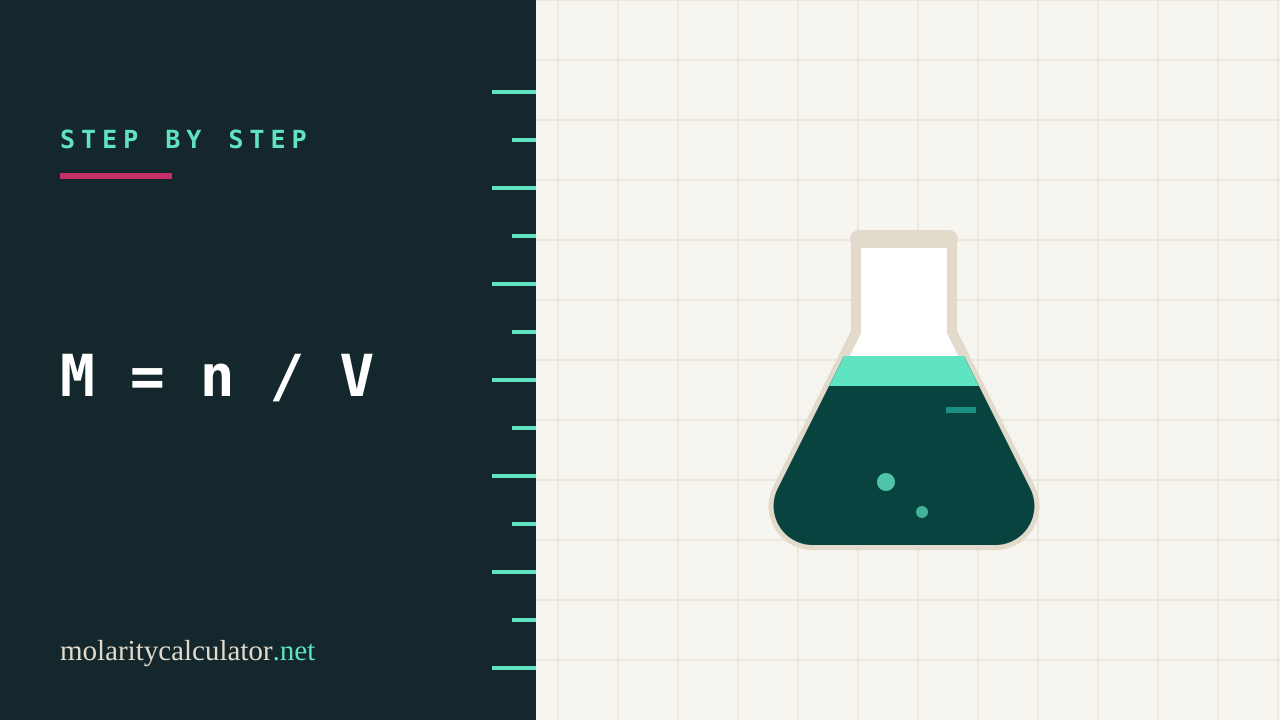
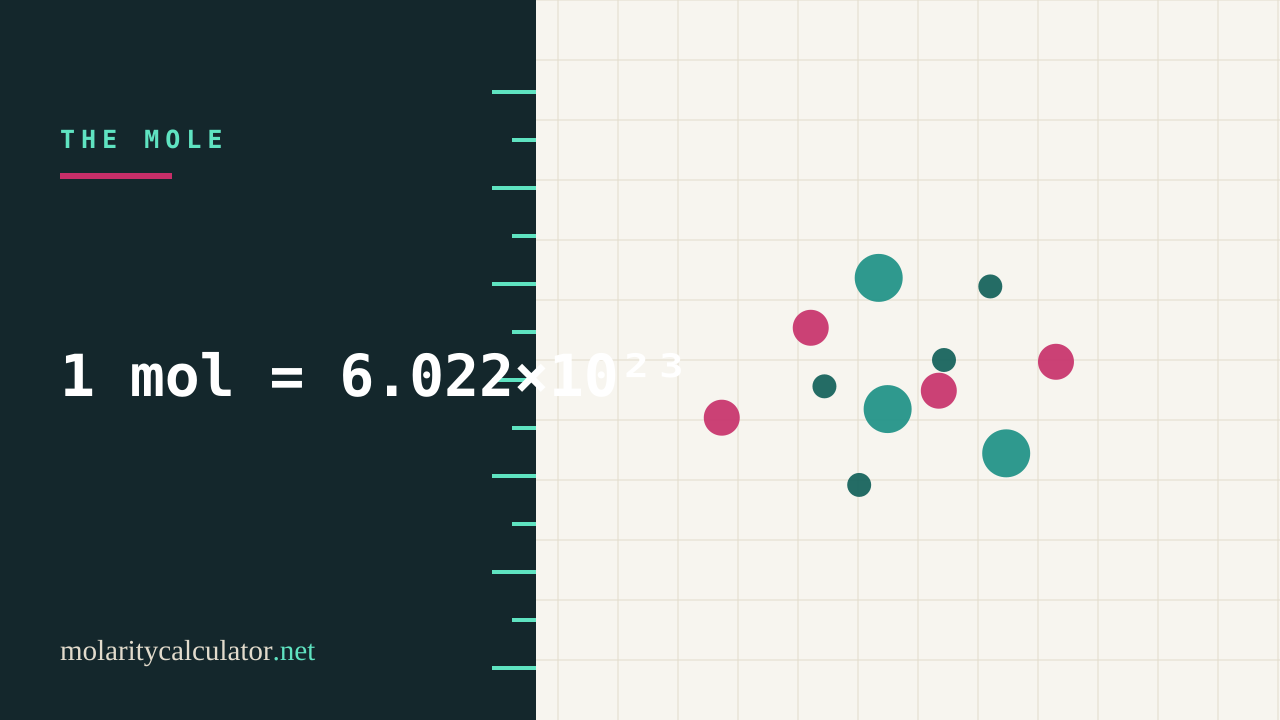
Once you have the molar mass, the molarity workflow is unblocked: convert grams to moles by dividing by the molar mass, then divide moles by litres. Get the molar mass wrong and every downstream number is wrong by the same proportion, which is why it is worth the few seconds to confirm it.
Recommended lab gear
Some links below are affiliate links. As an Amazon Associate we earn from qualifying purchases, at no extra cost to you. See our affiliate disclosure.